Mongolian Tsuivan - Hearty Noodle Dish
Tsuivan (Hand Rolled And Hand Cut Steamed Noodles)

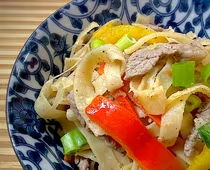
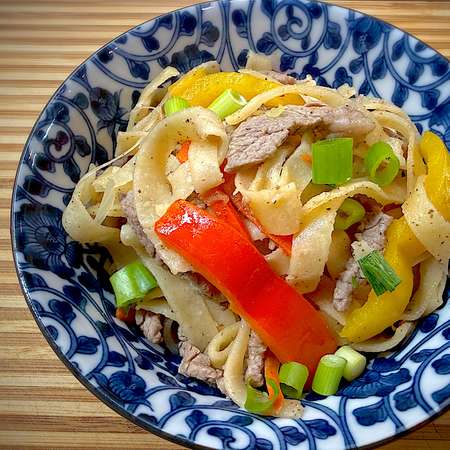
Simple, hearty, and deeply comforting, Tsuivan is a beloved Mongolian noodle dish that brings together tender meat, fresh vegetables, and handmade steamed noodles in one satisfying pan. Traditionally cooked by lightly steaming the noodles over savory meat and vegetables (although I made it by steaming the noodles ahead of time to ensure the noodles are light and cooked thoroughly), this method allows every strand to soak up rich, aromatic flavors while staying pleasantly chewy. Rustic yet incredibly flavorful, Tsuivan reflects the heart of Mongolian home cooking—wholesome ingredients, minimal fuss, and maximum comfort in every bite. This recipe would probably serve up 8 to 10 people, but in our house, we make this quantity for 5 to 6 people, 🤣

Home Recipes
Pasta
Lamb
Beef
Mongolian
Asian
Video
Ingredients
Steps to make it
Nutrition Facts
Share this recipe
Comments
Main Course
Recipe Cuisine:
Asian
Servings:
6 people
Preparation Time:
45 minutes
Cooking Time:
This Tsuivan recipe is a rustic, savory noodle dish made with tender slices of meat, simple vegetables, and chewy homemade wheat noodles. The noodles are steamed first then cut into strands. The meat is first browned to build depth of flavor, then combined with onions, carrots, bell peppers, and garlic for natural sweetness and aroma. Freshly made noodles are mixed into the meat and vegetable mix so they absorb the seasoned juices below, becoming soft, flavorful, and perfectly coated. The result is a comforting, well-balanced dish that’s hearty, satisfying, and full of earthy, home-style goodness—perfect for a cozy meal any day of the week.
Step by Step Recipe Instruction Video:
Ingredients:
- 4 cups (≈ 355 ml) all-purpose flour
- 1 1/2 cups (≈ 60 ml) warm water
- 4 tbsp vegetable oil/olive oil
- 2 lb (≈ 900 g) beef, mutton, or lamb, thinly sliced
- Salt & black pepper, to taste
- 1 large onion, sliced
- 2 carrots, julienned
- 2 bell peppers, sliced
- 2 cloves garlic, minced
- 3 tbsp vegetable oil
- 2 tbsp soy sauce
- Green onions for garnish
Steps to make it:

© Copyrigh 2026 Laki Maikaʻi. All rights reserved.
Make the Dough
- In a bowl, put flour.
- Gradually add warm water while mixing until a rough dough forms.
- Knead until smooth and elastic (about 5 minutes).
- Cover witha wet towel or plastic wrap, and let it rest (about 10 minutes)
Roll the Dough
- Divide the dough into 4 pieces.
- Roll each piece into a thin sheet (about 1–2 mm thick).
- Spread about 1 tbsp of oil evenly and, starting from one edge, roll it loosely.
- Put the rolled though on a well greased steamer.
- Repeat the steps for the remaining three pieces of dough.
Steam the Noodles
- Bring the steamer water to a boil.
- Steam the noodles for 25 minutes.
Vegetable Stir Fry
While the noodles are steaming, make the meat and veggie stir fry.
- Heat oil in a pan and add beef.
- Brown the meat and add the onions, carrots, and bell peppers.
- Stir fry until the veggies are cooked but not soggy.
- Add soy sauce at the end and mix.
- Set aside.
Finish and Serve
- Fan the steamed noodles to cool them a little.
- Unroll the noodles, then fold them back.
- Cut into thin strips. It can be as thin or thick as you wish.
- Mix it into the cooked meat and veggies, and mix well.
- Serve with green onion garnish.

© Copyrigh 2026 Laki Maikaʻi. All rights reserved.
Mongolian tsuivan (цуйван) is one of those dishes that looks humble but carries a lot of culture. Here’s what Westerners often miss—and what makes it special:
1. It’s a home dish, not “restaurant food.”
Tsuivan is everyday comfort food in Ulaanbaatar and in Mongolia in general. Think of it more like spaghetti cooked by someone’s grandma than a flashy stir-fry. If a Mongolian family makes tsuivan for you, it’s a sign of warmth and hospitality.
2. The noodles are usually hand-made
This is huge. Traditional tsuivan uses dough that’s:
- rolled by hand
- lightly oiled
- stacked, sliced, and then steamed
That steaming step gives the noodles a chewy, almost silky texture that’s very different from Italian pasta or Chinese wheat noodles.
3. It’s steamed, not fried
Westerners often assume it’s a stir-fry because of the pan and meat, but real tsuivan is closer to a steam-braise:
- Meat (usually mutton or beef) is browned first
- Vegetables go in
- Noodles are layered on top
- a small amount of water/stock is added
- everything steams together
The goal isn’t crispness—it’s deep, unified flavor.
4. Meat choice matters (and mutton isn’t “optional”)
Mongolian tsuivan traditionally uses:
- mutton (very common, very normal there)
- sometimes beef
- Rarely pork or chicken
The flavor of the dish is built around the fat and richness of the meat. Western substitutions often make it taste “flat” by Mongolian standards.
5. The seasoning is intentionally simple
No complex spice blends. Typically:
- salt
- garlic
- onion
- sometimes black pepper
That’s it. The flavor comes from:
- the meat
- the noodles
- the steaming process
If it tastes “plain” at first, that’s because it’s meant to be honest and filling, not punchy.
6. Vegetables reflect nomadic life
Common veggies include:
- cabbage
- carrots
- onions
- potatoes
These are hardy, long-lasting vegetables—perfect for a nomadic or semi-nomadic lifestyle. The dish reflects Mongolia’s geography and history more than culinary trends.
7. Eating etiquette: don’t rush it
Tsuivan is meant to be:
- eaten hot
- shared
- filling
It’s not about plating or speed. Sitting down and eating it properly matters more than presentation.
8. It tells you a lot about Mongolia
Tsuivan quietly represents:
- resourcefulness
- meat-centered cuisine
- practical cooking methods
- comfort over luxury
It’s a dish shaped by climate, mobility, and survival—yet still deeply satisfying.
Did you make this recipe?
Please Tag us on Instagram:@laki_maikai
Nutritional information provided is an estimate only. Please consult the labels of ingredients you use for more accurate results. Daily Value on the Nutrition and Supplement Facts Labels.