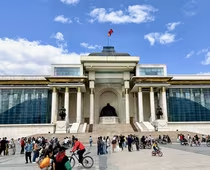
Ulaanbaatar
Discovering Ulaanbaatar: The Heartbeat of Mongolia.
Location
Ulaanbaatar, Mongolia

Unveil the Rich History and Vibrant Culture of Mongolia's Capital, Ulaanbaatar.
Nestled between the rugged hills and vast steppes of Mongolia, Ulaanbaatar is a city of contrasts where ancient traditions meet modernity. As the capital and cultural epicenter of Mongolia, Ulaanbaatar offers a unique blend of historical landmarks, bustling markets, and a dynamic urban scene. Whether you're a history enthusiast, adventure seeker, or cultural explorer, Ulaanbaatar promises an unforgettable experience. In this article, we'll delve into the city's fascinating history, highlight its main attractions, and explore why this vibrant city should be on every traveler's bucket list.
History of Ulaanbaatar:
Ulaanbaatar, which translates to "Red Hero," has a rich history that dates back to 1639 when it was founded as a nomadic Buddhist monastic center. Originally called Urga, the city moved locations 28 times before settling in its current location on the Tuul River in 1778. Ulaanbaatar played a crucial role in Mongolia's religious, political, and economic life, especially during the era of the Mongol Empire.
In the 20th century, Ulaanbaatar underwent significant transformations. In 1924, after the Outer Mongolian Revolution, it was declared the capital of the newly established Mongolian People's Republic and renamed Ulaanbaatar. Soviet influence during the 20th century brought modern infrastructure and socialist architecture, which still characterizes much of the city's landscape today. Since Mongolia's transition to democracy and a market economy in the 1990s, Ulaanbaatar has rapidly modernized, becoming a vibrant metropolis that attracts visitors from around the world.
Ulaanbaatar's Transformation: A Decade of Dynamic Change and Growth
Over the past decade, Ulaanbaatar, Mongolia's capital city, has undergone significant transformations. From rapid urban development to cultural shifts and economic growth, the city has evolved dramatically. These changes have brought both opportunities and challenges, reshaping Ulaanbaatar into a modern, vibrant metropolis while maintaining its rich cultural heritage. In this article, we explore how Ulaanbaatar has changed in the past ten years, highlighting key areas of development and their impact on the city's landscape and its residents.
Urban Development and Infrastructure
1. Skyscrapers and Modern Buildings
In the last decade, Ulaanbaatar's skyline has seen a dramatic transformation with the construction of numerous skyscrapers and modern buildings. The Blue Sky Tower, Central Tower, and Shangri-La complex are just a few examples of the new structures that have changed the city's architectural landscape. These developments reflect the city's growing economic prosperity and its aspirations to become a regional hub.
2. Transportation Improvements
Ulaanbaatar has made significant strides in improving its transportation infrastructure. The construction of new roads, and bridges, and the development of a public bus rapid transit (BRT) system have helped ease traffic congestion and improve mobility within the city. Additionally, the city's international airport, Chinggis Khaan International Airport, has been upgraded to handle more passengers and offer better services.
Economic Growth
3. Mining and Industry Boom
Mongolia's economic growth over the past decade has been driven largely by its mining sector. Ulaanbaatar, as the country's economic center, has benefited from this boom. The city has seen an influx of foreign investment and an increase in business activities related to mining and natural resources, contributing to job creation and economic diversification.
4. Rise of the Service Sector
The service sector in Ulaanbaatar has expanded significantly. With the growth of tourism, hospitality, retail, and financial services, the city has become a bustling commercial hub. Shopping centers, restaurants, and entertainment venues have proliferated, offering residents and visitors a wide array of options.
Cultural and Social Changes
5. Cultural Revival
Despite rapid modernization, Ulaanbaatar has maintained a strong connection to its cultural roots. Over the past ten years, there has been a revival of traditional arts, music, and festivals. The Naadam Festival, showcasing traditional Mongolian sports, continues to be a major event, attracting both locals and tourists. Additionally, new cultural centers and museums have been established to preserve and promote Mongolia's rich heritage.
6. Growing Expat Community
Ulaanbaatar has seen a growing expat community, drawn by business opportunities and the city's unique cultural landscape. This influx of foreigners has brought diverse perspectives and contributed to a more cosmopolitan atmosphere. International schools, expatriate clubs, and foreign-owned businesses have become more common, enhancing the city's global connections.
Environmental and Sustainability Efforts
7. Tackling Air Pollution
Air pollution has been a significant challenge for Ulaanbaatar, particularly during the winter months. In the past decade, the government and various organizations have implemented measures to address this issue. Initiatives include transitioning to cleaner heating methods, promoting the use of electric vehicles, and expanding green spaces within the city. While progress has been made, continued efforts are necessary to improve air quality further.
8. Sustainable Urban Planning
Ulaanbaatar has embraced sustainable urban planning practices to accommodate its growing population and mitigate environmental impact. Projects focusing on energy-efficient buildings, waste management, and the preservation of natural areas are part of the city's long-term development strategy. These efforts aim to create a more sustainable and livable urban environment.
Technological Advancements
9. Digital Transformation
The digital landscape in Ulaanbaatar has advanced rapidly. High-speed internet access, widespread use of smartphones, and the adoption of digital services have transformed how residents live, work, and interact. E-commerce, online banking, and digital entertainment have become integral parts of daily life, reflecting the city's embrace of technology.
10. Innovation and Start-Up Culture
A burgeoning start-up culture has taken root in Ulaanbaatar, with young entrepreneurs driving innovation in various sectors. Tech hubs, co-working spaces, and incubators have emerged, fostering a vibrant entrepreneurial ecosystem. This wave of innovation is positioning Ulaanbaatar as a regional center for technology and start-ups.
Main Attractions:
1. Gandan Monastery
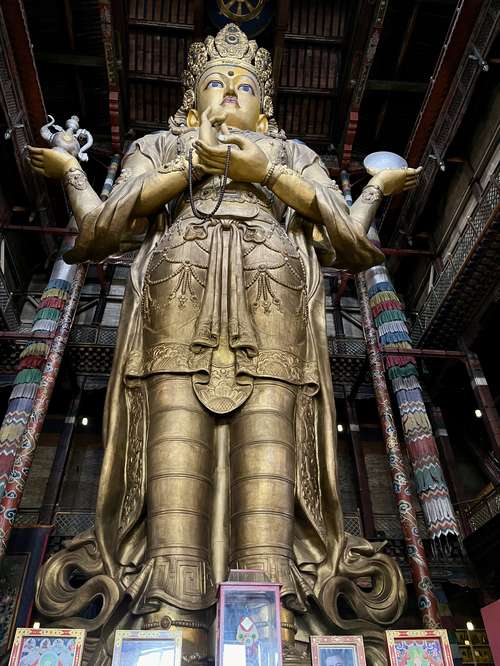
One of the most important monasteries in Mongolia, Gandan Monastery, or Gandantegchinlen Monastery, is a spiritual haven in the heart of Ulaanbaatar. It is home to the magnificent 26.5-meter-tall statue of Avalokitesvara (Migjid Janraisig), a sight that inspires awe and reverence (trust me, you have to see it in person, photos can't do it justice!). The monastery offers a glimpse into Mongolia's Buddhist traditions and rituals.
2. Sukhbaatar Square
Sukhbaatar Square, named after the revolutionary leader Damdin Sukhbaatar, is the central square of Ulaanbaatar and the perfect starting point for exploring the city. It is surrounded by key landmarks, including the Government Palace, the National Museum of Mongolia, and the Cultural Palace. The square is a hub of activity and often hosts festivals, parades, and public events.
3. National Museum of Mongolia
For history enthusiasts, the National Museum of Mongolia is a must-visit. The museum's extensive collections cover Mongolia's rich history from prehistoric times to the present day. Exhibits include artifacts from the era of Genghis Khan, traditional clothing, and displays of Mongolia's nomadic culture.
4. Zaisan Memorial
The Zaisan Memorial is a Soviet-era monument located on a hill south of the city, offering panoramic views of Ulaanbaatar. The memorial honors Soviet soldiers killed in World War II and features a circular mural depicting scenes of friendship between the Soviet Union and Mongolia.
5. Bogd Khan Palace Museum
The Bogd Khan Palace Museum, also known as the Winter Palace of the Bogd Khan, was the residence of Mongolia's last king, Bogd Khan. The museum complex includes several temples and the king's personal chambers, showcasing royal artifacts, religious relics, and traditional art.

© Copyrigh 2026 Laki Maikaʻi. All rights reserved.
Why Visit Ulaanbaatar?
- Cultural Richness: Ulaanbaatar is a melting pot of Mongolian culture, offering a unique blend of ancient traditions and modern influences. Visitors can experience traditional Mongolian music, dance, and cuisine, while also exploring contemporary art galleries and vibrant nightlife.
- Gateway to Adventure: As the gateway to Mongolia's vast wilderness, Ulaanbaatar is the perfect starting point for adventures into the Gobi Desert, the Altai Mountains, and the Mongolian steppes. Whether you're interested in trekking, horseback riding, or exploring nomadic life, Ulaanbaatar provides easy access to some of Mongolia's most breathtaking landscapes. The two closest spots to visit around the capital city are Terelj, and the Bogd Khan Uul Protected Area.
- Historical Significance: The city’s historical sites and museums provide deep insights into Mongolia’s rich history, from the era of the Mongol Empire to the socialist period and the modern democratic era. Exploring Ulaanbaatar’s historical landmarks allows visitors to understand the country’s complex and fascinating past.
- Festivals and Events: Ulaanbaatar hosts numerous festivals and cultural events throughout the year. The Naadam Festival, held in July, is the most famous, featuring traditional sports like wrestling, archery, and horse racing. These events offer visitors a unique opportunity to experience Mongolian culture and traditions firsthand.
- Warm Hospitality: Mongolians are known for their warm hospitality and friendliness. Visitors to Ulaanbaatar often find themselves welcomed with open arms, making their stay in the city even more memorable.
Ulaanbaatar is a city that beautifully encapsulates the spirit of Mongolia. With its rich history, cultural vibrancy, and gateway to adventure, it offers something for every traveler. Whether you're drawn by the allure of its ancient traditions, the excitement of its modern pulse, or the beauty of its surrounding landscapes, Ulaanbaatar promises a journey filled with discovery and wonder.
From Street Food to Upscale Restaurants: The Dynamic Food Scene in Ulaanbaatar
Explore the Diverse and Delicious Culinary Landscape of Mongolia's Capital
Ulaanbaatar, the bustling capital of Mongolia, offers a vibrant and diverse food scene that caters to all tastes and budgets. From savory street food to elegant fine dining, the city presents a culinary journey that reflects its rich cultural heritage and modern influences. In this article, we dive into Ulaanbaatar's dynamic food scene, highlighting the best spots to enjoy Mongolian cuisine and international flavors, and why food lovers should make this city a top destination.
The Street Food Experience
1. Buuz and Khuushuur
A visit to Ulaanbaatar isn't complete without trying buuz and khuushuur, two of Mongolia's most beloved street foods. Buuz are steamed dumplings filled with seasoned meat, usually beef or mutton, while khuushuur are deep-fried meat pies. Both are flavorful, hearty, and perfect for a quick snack or meal on the go.
2. Tsuivan
Tsuivan, a stir-fried noodle dish with meat and vegetables, is another street food staple. It's often cooked on large griddles in street stalls, offering a delicious and satisfying meal for locals and visitors alike. The combination of noodles, tender meat, and crisp vegetables makes tsuivan a must-try. See Mongolian Tsuivan - Hearty Noodle Dish to learn how to make it at home!
3. Bansh and Guriltai Shul
For those chilly Ulaanbaatar evenings, a steaming bowl of bansh (small dumplings) or guriltai shul (noodle soup) is the perfect comfort food. These dishes are often sold at small, local eateries and are known for their rich, savory broths and wholesome ingredients.
Casual Dining Spots
4. Modern Nomads
Modern Nomads is a popular chain of restaurants in Ulaanbaatar that offers a contemporary take on traditional Mongolian cuisine. The menu features classic dishes like khorkhog (mutton cooked with hot stones) and boodog (goat cooked from the inside out), alongside modern interpretations and fusion dishes. It's a great place to experience the depth of Mongolian flavors in a comfortable setting.
5. Luna Blanca
For vegetarian and vegan travelers, Luna Blanca is a gem in Ulaanbaatar's food scene. This restaurant specializes in vegetarian versions of traditional Mongolian dishes, making it a unique dining experience. From hearty soups to flavorful stir-fries, Luna Blanca proves that Mongolian cuisine can be enjoyed without meat.
6. BD's Mongolian Barbeque
BD's Mongolian Barbeque offers a fun and interactive dining experience where guests can create their own stir-fry dishes from a variety of fresh ingredients. This restaurant combines Mongolian-style cooking with a modern twist, making it a favorite among locals and tourists alike.
Upscale Dining
7. Veranda
Located in the heart of Ulaanbaatar, Veranda is a chic and upscale restaurant known for its elegant ambiance and gourmet cuisine. The menu features a blend of European and Asian dishes, with a focus on fresh, locally sourced ingredients. Veranda's extensive wine list and impeccable service make it an ideal spot for a special night out.
8. Sky Lounge
For breathtaking views of the city skyline, Sky Lounge offers a dining experience like no other. Perched atop a high-rise building, this upscale restaurant and bar serves an array of international dishes and signature cocktails. The panoramic views and sophisticated atmosphere make it a perfect venue for both casual and formal occasions.
9. Khaan Deli
Khaan Deli combines Mongolian culinary traditions with modern fine dining. This upscale restaurant offers a curated menu featuring dishes like seared lamb with juniper berries and wild boar stew. The elegant decor and attentive service create an exceptional dining experience that showcases the best of Mongolian gastronomy.
Why Food Lovers Should Visit Ulaanbaatar
- Culinary Diversity: Ulaanbaatar's food scene offers a remarkable diversity of flavors and cuisines. From traditional Mongolian dishes to international fare, there's something for every palate. The city's culinary landscape reflects its multicultural influences and evolving food culture.
- Authentic Experiences: Whether enjoying street food from a local vendor or dining in an upscale restaurant, visitors can experience the authenticity of Mongolian cuisine. Traditional cooking methods and locally sourced ingredients are at the heart of many dishes, providing a genuine taste of Mongolia.
- Cultural Connection: Food is an integral part of Mongolian culture, and exploring Ulaanbaatar's food scene allows visitors to connect with the local way of life. Sharing a meal with locals, learning about traditional dishes, and experiencing Mongolian hospitality are all part of the culinary adventure.
- Innovation and Fusion: Ulaanbaatar's dining scene is not just about tradition; it's also about innovation. Chefs and restaurateurs are increasingly experimenting with fusion cuisine, blending Mongolian flavors with international techniques. This creativity adds a dynamic edge to the city's food offerings.
Ulaanbaatar's food scene is a testament to its rich cultural heritage and modern growth. From the bustling streets filled with savory snacks to the refined elegance of its upscale restaurants, the city offers a culinary journey that is both diverse and delicious. Whether you're a food enthusiast or simply looking to explore new flavors, Ulaanbaatar promises a memorable and mouthwatering experience.
Uncovering the Myth: The True Origins of Mongolian Barbecue
The myth of Mongolian barbecue, a popular cooking style found in many Asian restaurants today, is rooted in a romanticized and largely fictional narrative.
According to the legend, Mongolian barbecue originated with the ancient Mongol warriors of the great khans, like Genghis Khan. The story goes that these warriors would gather around campfires after a long day of battle or hunting, cooking their meals on their upturned shields over open flames. They would slice meat into thin strips, mix it with vegetables and spices, and grill it quickly on their shields, creating a flavorful and hearty meal.
In reality, however, the true origins of Mongolian barbecue are much more modern and far removed from these ancient tales. The concept was actually developed in the 1950s in Taiwan, inspired by Japanese teppanyaki-style cooking. The idea was to provide a customizable and interactive dining experience where diners could select their own ingredients, have them stir-fried on a large, round grill, and enjoy a variety of sauces and seasonings. The name "Mongolian barbecue" was chosen for its exotic appeal and to evoke a sense of adventure, rather than any genuine historical connection to Mongolian cuisine.
#Ulaanbaatar #VisitMongolia #TravelMongolia #MongolianCulture #AdventureTravel #HistoricalSites #CulturalExperience #TravelGuide #ExploreUlaanbaatar #UlaanbaatarFood #MongolianCuisine #StreetFood #FineDining #CulinaryAdventures #TravelMongolia #FoodieTravel #ExploreUlaanbaatar #GourmetMongolia #LocalFlavors