Sambal Indonesian Chilli Sauce
Indonesian style chili sauce with tomatoes.

Indonesian sambal is a vibrant, spicy chili-based sauce that can be sweet, tangy, smoky, or a combination, depending on the variety. It pairs beautifully with a wide range of foods.

Home Recipes
Asian
Spicy
Chill peppers
Hot sauce
Video
Ingredients
Steps to make it
Nutrition Facts
Share this recipe
Comments
Condiment
Recipe Cuisine:
Asian
Servings:
20 people
Preparation Time:
15 minutes
Cooking Time:
A dear friend of mine of Indonesian descent introduced me to this delicious spicy chili sauce. Sambal is an Indonesian chili sauce that is made from a variety of chili peppers, shrimp paste, garlic, ginger, and shallots.
There are many different types of sambal sauce in Indonesia. The two major types are the sambal masak (cooked version), and the sambal mentah (raw version).
The one I'm making here is the cooked version, and it is much more flavorful in my opinion because it is fried and therefore it has more flavor, aroma, and a more palatable creamy texture. It is basically refried chili sauce in oil. The ingredients are pan-fried, mixed in a blender, and fried again. This recipe is the basic recipe, but I will experiment with adding other ingredients and using other types of chilis.
Step by Step Recipe Instruction Video:
Ingredients:
- 1/3 lb (100g) Thai chili peppers
- 1/3 lb (100g) serrano peppers
- 1 lb (500g) tomatoes
- 1 medium yellow onion
- 2 medium shallots
- 1 tbsp sugar
- 1/2 tbs salt
- 2 tbsp vegetable oil
- 1/3 cup (70ml) olive oil
Steps to make it:

© Copyrigh 2026 Laki Maikaʻi. All rights reserved.

© Copyrigh 2026 Laki Maikaʻi. All rights reserved.
Cut tomatoes into 1/8 and set aside. Remove the stems of the chili peppers. Cut the Serrano pepper into smaller sizes. Slice the onions and the shallots.
Heat the frying pan with 1 tbsp of oil. When the oil is hot add the onions and the peppers. Fry the onions and peppers for a few minutes, then add the tomatoes. Keep frying the ingredients while mixing. Cook until everything is tender. Remove the pan from the heat and let it cool down for a few minutes. Add the ingredients into a food processor or a blender and mix until everything is evenly chopped into small pieces.
Heat the pan again with another 1 tbsp of oil and put the chili, tomato, and onion mix back into the pan. Cook for 10 minutes while mixing it constantly. Keep scrapping off the side of the pan and the bottom of the pan so it doesn't stick. After 10 minutes, it should reduce a little bit. Turn off the heat and remove from the stove to cool down.
Keep the sambal in a jar and enjoy it with pretty much anything.

© Copyrigh 2026 Laki Maikaʻi. All rights reserved.

© Copyrigh 2026 Laki Maikaʻi. All rights reserved.
Here are some pairing ideas:
Proteins
- Grilled or fried chicken – Think ayam bakar or crispy fried chicken.
- Beef or pork – Especially grilled, roasted, or stir-fried cuts.
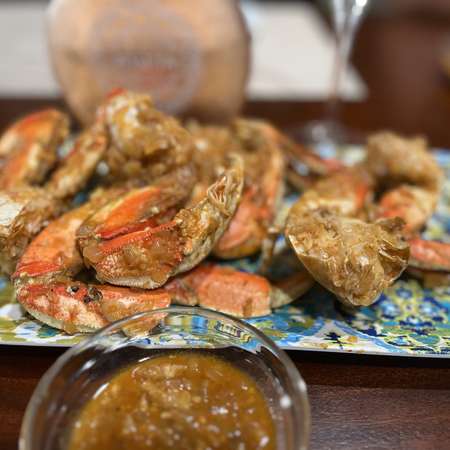
- Seafood – Shrimp, fish, squid, or calamari. Sambal adds a nice kick to delicate seafood flavors.
- Eggs – Hard-boiled, fried, or in omelets for a spicy breakfast twist.
Vegetables & Sides
- Steamed or stir-fried vegetables – Green beans, spinach, bok choy, or cabbage.
- Tofu and tempeh – Pan-fried or baked, perfect for vegetarian dishes.
- Rice and noodles – Plain steamed rice balances the heat; fried rice or noodles can be enhanced with sambal mixed in.
- Potatoes or sweet potatoes – Roasted, fried, or mashed for a spicy-sweet contrast.
Snacks & Extras
- Spring rolls or dumplings – Sambal works as a dipping sauce.
- Satay – Drizzle over skewered meat for extra heat and flavor.
- Soups & stews – Add a spoonful to noodle soups, soto, or coconut-based stews for depth and spice.
Tip: Since sambal can be very spicy, pairing it with neutral, starchy foods like rice, bread, or potatoes helps balance the heat. Adding a little lime juice or coconut milk can also mellow and enhance the flavors.
Did you make this recipe?
Please Tag us on Instagram:@laki_maikai
Nutritional information provided is an estimate only. Please consult the labels of ingredients you use for more accurate results. Daily Value on the Nutrition and Supplement Facts Labels.