Star Anise

Star Anise: Aromatic Spice with Exquisite Flavor and Health Benefits
Star anise is a unique and fragrant spice that has been widely used in culinary traditions around the world. This beautiful star-shaped spice not only adds a distinct flavor and aroma to dishes but also boasts a range of impressive health benefits. In this article, we will explore the various uses of star anise in cooking and delve into its remarkable health-promoting properties.
See our Anise Pork Roast recipe for a wonderful example of how this spice can be used.
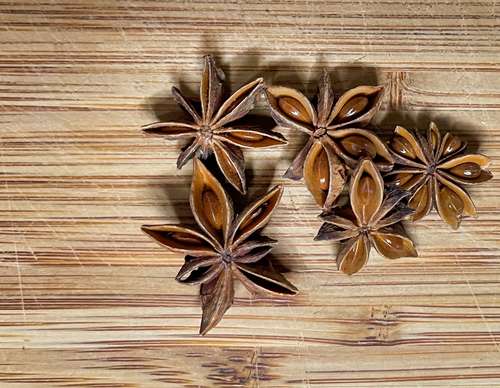
Star anise is the seed pod from the fruit of the Illicium verum plant, an evergreen shrub native to Southwest China. The star anise pod, which is shaped like a star (hence its name), has an average of eight points, each containing a single pea-sized seed. Both the seeds and the pod are used in cooking and contain a sweet, potent anise flavor. Star anise is sold whole and ground.
What Is Star Anise?
Star anise is used in culinary applications for its distinct flavor but is also employed for its medicinal benefits. It is grown in China, Indo-China, and Japan and is sometimes referred to as Chinese star anise. Star anise is a pillar ingredient in Chinese cooking; it is one of the main flavors in Chinese five-spice powder and is also used to make tea and season roast duck and other meats. In Vietnamese cuisine, star anise is part of the well-known soup, pho. In Western cultures, it is more often used to flavor liqueurs, such as absinthe, sambuca, and pastis, as well as baked goods like cookies and cakes.
The star anise pod is picked before it ripens and then dried in the sun, turning it a deep brown or rust color. The distinctive flavor is derived from anethol, the same oil found in anise seed giving both a licorice taste.
Star Anise vs. Anise Seed
Star anise and anise seed are often confused with each other due to their similar taste and name. However, these two plants are not from the same plant family—star anise is from the magnolia whereas aniseed is from the parsley family. The seeds also differ in appearance; star anise seeds are larger and a dark reddish-brown color while anise seeds are smaller and look more like fennel seeds.
It is also important not to confuse star anise with the Japanese star anise, Illicium anistatum, which is highly toxic and must not be consumed.1 It is often burned as incense.
Origins
Star anise originated in southern China and has been used as a medicine and spice for more than 3,000 years. During the late 1500s, star anise came to Europe via an English sailor and soon after was traded along the tea route from China through Russia. Because of its sweet flavor, star anise was mainly used in jams, syrups, and puddings and later substituted in commercial drinks for anise seed.
Whole vs. Ground
Whole and ground star anise is used differently in cooking. The whole pods are added to braised dishes, soups, and stews to infuse flavor and are removed at the end of cooking. Ground star anise powder is used similarly to other ground spices. The powdered star anise begins to lose its flavor shortly after it is ground up, so the best method is to buy whole star anise and grind it as needed. The pods and seeds can be ground together.
What Does It Taste Like?
Star anise has a very strong, distinct flavor that is warm, sweet, and spicy, similar to licorice, fennel seed, clove, and anise seed, of course. Although the flavor of star anise is generally thought of as sweet, it is commonly used in savory dishes; it pairs well with citrus, onions, poultry, beef, cinnamon, nutmeg, and ginger and should be used in small quantities.

© Copyrigh 2026 Laki Maikaʻi. All rights reserved.
Aromatic Flavor and Culinary Uses: Star anise is renowned for its sweet, licorice-like flavor and powerful aromatic profile. It is a key ingredient in many Asian cuisines, particularly Chinese, Vietnamese, and Indian. Here are some popular culinary uses of star anise:
- Spice Blends: It is a common component of spice blends, such as Chinese five-spice powder, imparting a deep, warm, and slightly peppery taste.
- Soups and Broths: Adding a few whole star anise pods to soups, stews, and broths infuses them with a rich and complex flavor.
- Sauces and Marinades: Ground star anise or its whole pods can enhance the taste of sauces, marinades, and glazes for meats, seafood, and vegetables.
- Baking: Star anise pairs wonderfully with sweet recipes. It can be used in cakes, cookies, bread, and even infused into syrups for a delightful twist.
- Tea and Infusions: Steeping star anise in hot water creates a comforting and aromatic tea, often combined with other herbs and spices for added depth.
Health Benefits: Beyond its culinary uses, star anise offers several health benefits attributed to its natural compounds. Here are some notable advantages:
- Antimicrobial and Antifungal Properties: Star anise contains compounds like anethole and eugenol, which exhibit potent antimicrobial and antifungal properties, helping combat various pathogens.
- Digestive Aid: Traditionally, star anise has been used to support digestion. It may alleviate symptoms of indigestion, bloating, and gas due to its carminative properties.
- Respiratory Health: The essential oil derived from star anise is known for its expectorant qualities, making it useful for relieving coughs, congestion, and respiratory issues.
- Anti-Inflammatory Effects: Star anise contains antioxidants that possess anti-inflammatory properties, potentially reducing inflammation and protecting against chronic diseases.
- Rich in Nutrients: This spice is a good source of essential nutrients like iron, calcium, and vitamin C, which support overall health and contribute to a balanced diet.
Cautions and Considerations: While star anise offers numerous benefits, it is important to exercise caution:
- Potency: Star anise has a strong flavor, so a little goes a long way. It is best to start with small amounts and adjust according to personal preference.
- Allergic Reactions: Some individuals may be allergic to star anise, particularly those with allergies to other spices or plants from the same family. If any adverse reactions occur, discontinue use and seek medical advice.
- Pregnancy and Lactation: Pregnant and breastfeeding women should consult with their healthcare provider before consuming star anise due to its potential effects on hormone levels.
Star anise is not only a culinary delight but also offers a range of health benefits. Its distinct flavor and aroma make it a versatile spice in both savory and sweet dishes. Incorporating star anise into your culinary repertoire can not only elevate the taste of your creations but also contribute to your overall well-being. So go ahead, explore the world of star anise, and experience its unique allure and health-promoting properties in your own kitchen.
-
Origin
China
-
Type
Plant