Takayama
Discover the Hidden Charms of Takayama: A Serene Haven in the Heart of Japan. Nestled in the picturesque Japanese Alps, Takayama beckons travelers with its timeless charm and tranquil ambiance. Far from the bustling crowds of major tourist hubs, this historic city invites visitors to immerse themselves in its rich culture, stunning landscapes, and centuries-old traditions. Explore the lesser-known treasures of Takayama and experience the allure of Japan's hidden gem.
Location
Takayama, Japan

On our recent and first trip to Japan, we wanted to visit a less popular destination, seeking an off-the-beaten-path experience. Our choice led us to Takayama, a picturesque and authentic town nestled in the Japanese Alps. While it remains a popular destination, Takayama is welcoming to foreigners and accessible to tourists who may not be fluent in the language.
Takayama, Gifu
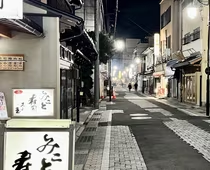
Takayama (高山市, Takayama-shi) is a city located in Gifu Prefecture of Japan. Takayama is often referred to as "Little Kyoto," and boasts a wealth of attractions that appeal to history buffs, nature enthusiasts, and curious adventurers alike. Steeped in tradition, this enchanting city offers a glimpse into Japan's storied past, with beautifully preserved Edo-period streets, ancient shrines, and traditional wooden houses lining its charming alleyways.
While Takayama is renowned for its well-preserved old town, characterized by its distinctive machiya-style buildings and lively morning markets, there is much more to discover beyond its tourist hotspots. Venture off the beaten path to uncover hidden gems such as the peaceful Higashiyama Walking Course, where you can stroll amidst tranquil temples, serene gardens, and lush forests, all while savoring the serenity of nature.
For those seeking a deeper understanding of Takayama's history and culture, a visit to the Takayama Festival Floats Exhibition Hall is a must. Here, you can marvel at the intricate craftsmanship of the festival floats, which are paraded through the streets during the annual Takayama Festival, one of Japan's most renowned festivals.

© Copyrigh 2026 Laki Maikaʻi. All rights reserved.
Takayama's climate offers distinct seasonal experiences, with cherry blossoms adorning the city in spring, vibrant foliage painting the landscape in autumn, and snow-capped mountains providing a stunning backdrop in winter. Regardless of the time of year, Takayama's beauty remains captivating, offering visitors a truly immersive and unforgettable experience.
With its blend of historical allure, natural beauty, and authentic charm, Takayama invites travelers to slow down, soak in tranquility, and discover the soul of Japan hidden amidst its timeless landscapes. Whether wandering the ancient streets of its old town or escaping into the embrace of nature, Takayama promises an enriching journey filled with moments of wonder and serenity.
How to Get to Takayama:
Takayama is accessible by various modes of transportation:
- Train: From Tokyo, take the JR Tokaido Shinkansen to Nagoya Station, then transfer to the JR Hida Limited Express train bound for Takayama. The journey takes approximately 4 to 5 hours.
- Bus: Direct highway buses operate from major cities such as Tokyo, Osaka, and Kyoto to Takayama. The bus journey offers scenic views of the Japanese countryside and takes around 4 to 6 hours, depending on the departure point.
- Car: Takayama is also accessible by car via the Chubu-Sangaku National Park, offering a picturesque drive through mountainous terrain and charming rural landscapes. The journey from major cities like Tokyo or Osaka typically takes around 4 to 5 hours, depending on traffic and road conditions.
Once in Takayama, most of the main attractions are within walking distance from the city center, making it easy to explore on foot. Additionally, bicycles are available for rent at various locations, providing another convenient way to navigate the city and its surroundings.
When traveling to Takayama from the south, there's a notable stop along the route worth mentioning, aside from the stunning mountain landscapes. The Gero Onsen Funsenchi is a renowned hot spring resort with a thousand-year history. Its mineral-rich waters are believed to offer healing properties, attracting visitors seeking relief from ailments like rheumatism and neuralgia. Nestled in the scenic Hida Mountains, the resort provides a tranquil setting for relaxation. Traditional ryokans offer an authentic Japanese experience, while outdoor activities like hiking complement the hot spring experience. Overall, Gero Onsen Funsenchi promises a blend of history, natural beauty, and rejuvenation, making it a top destination in Japan.
Takayama's Main Attractions:
- Sanmachi-dori, the Beautiful Takayama Old Town: Explore the beautifully preserved Edo-period streets of Takayama's old town, lined with traditional machiya houses, sake breweries, and quaint shops selling local crafts and delicacies.
- Miyagawa Morning Markets: Experience the vibrant atmosphere of Takayama's morning markets, where you can sample fresh produce, local snacks, and artisanal goods while interacting with friendly vendors.
- Higashiyama Walking Course: Take a leisurely stroll along the Higashiyama Walking Course, a scenic trail dotted with temples, shrines, and tranquil gardens, offering a peaceful retreat from the hustle and bustle of the city.
- Takayama Jinya: Visit the Takayama Jinya, a former government building dating back to the Edo period, now converted into a museum showcasing Takayama's history and governance.
- Takayama Festival Floats Exhibition Hall: Marvel at the elaborate floats used in the annual Takayama Festival at the Takayama Festival Floats Exhibition Hall, where intricate craftsmanship and centuries-old traditions come to life.

© Copyrigh 2026 Laki Maikaʻi. All rights reserved.
Our favorite spots in Takayama:
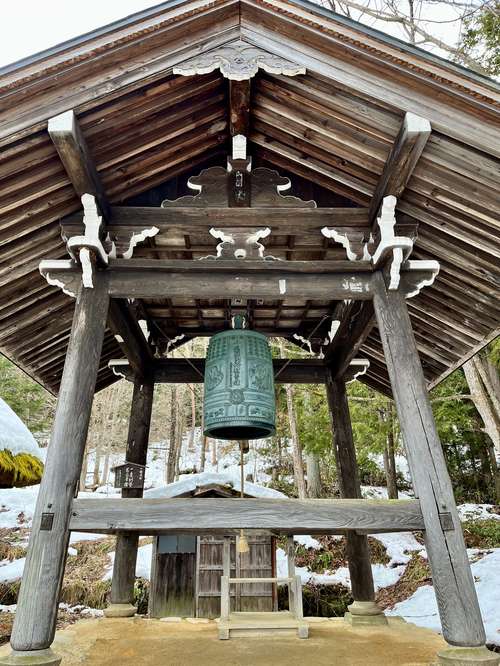
The Hida no Sato Open Air Museum, also known as Hida Folk Village, is well worth visiting because it offers a fascinating glimpse into traditional rural life in Japan.
It showcases traditional Japanese farmhouses and buildings, offering visitors a glimpse into rural life in the Hida region during the Edo period (1603-1868).
The open-air museum features over 30 well-preserved thatched-roof houses, many of which were relocated from nearby villages to preserve them from urban development. These houses represent various architectural styles and demonstrate how people lived and worked in rural Japan centuries ago.
Visitors to the Hida no Sato Open Air Museum can explore the interior of the houses, which are furnished with period items and tools, providing an immersive experience of daily life in the past. Additionally, the museum hosts workshops and demonstrations where visitors can learn about traditional crafts such as weaving, pottery, and woodworking.
Overall, the Hida no Sato Open Air Museum is a popular tourist attraction in the Takayama area, offering a unique opportunity to step back in time and appreciate Japan's cultural heritage and architectural history.

On our way there, we stopped to have some delicious Local Hida beer and discovered the Sarubobo dolls, which originated from the Hida region, and are traditional amulets symbolizing good luck and protection. Their history dates back centuries, with legends suggesting they were originally made by mothers to comfort their children. The dolls, typically small red cloth figures, are associated with wishes for health, happiness, and prosperity. They are often given as gifts to newborns or used as personal charms imbued with wishes. Today, Sarubobo dolls are popular souvenirs, handmade by local artisans and cherished for their cultural significance and charming appearance. We tried eating lunch at Hiro, which looked promising but arrived too late.
During our stay, we had many great pre-made Japanese meals from the BOSS FOODS MARKET Main Store, highly recommended and prepared fresh every day.
We sampled many local products and delicacies from the old town, as well as an extensive selection of local sakes. We had an absolutely incredible meal of the absolute best Hida beef, a high-quality type of wagyu beef that is produced in the Hida region at the Yakiniku Kaede restaurant. Hida beef is renowned for its exceptional marbling, tenderness, and rich flavor, making it one of Japan's most prized beef varieties.
We also wanted to try eating at Matsuki Sushi, but we didn't make it...next time for sure!
Why visit Takayama?
In Takayama, we feel that we experienced a more authentic side of Japan, more serine and far away from the hustle of large cities.
Takayama is a captivating destination in Japan for several reasons:
- Preservation of Traditional Culture: Takayama has retained much of its traditional architecture, streetscapes, and way of life. Visitors can explore well-preserved merchant houses in the Old Town (Sanmachi Suji), where they can glimpse into the Edo period's ambiance. The annual Takayama Festival, held in spring and autumn, showcases elaborate floats and traditional performances, further immersing visitors in the area's rich cultural heritage.
- Scenic Beauty: Surrounded by the Northern Japan Alps, Takayama boasts stunning natural landscapes. Visitors can enjoy scenic hikes, serene rivers, and picturesque mountain views. The nearby Shirakawa-go and Gokayama regions, known for their UNESCO-listed Gassho-zukuri farmhouses, offer an opportunity to experience rural Japan's beauty and tranquility.
- Culinary Delights: Takayama is renowned for its local cuisine, including Hida beef, a high-quality marbled beef similar to Kobe beef. Visitors can savor a variety of regional specialties such as sake, Hida-gyu sushi, and miso-based dishes. The Miyagawa Morning Market is a must-visit for sampling local produce and snacks.
- Craftsmanship: Takayama is famous for its skilled artisans who produce high-quality crafts such as lacquerware, pottery, and traditional carpentry. Visitors can observe craftsmen at work in local workshops and purchase unique handmade souvenirs as mementos of their trip.
- Relaxing Atmosphere: Despite its popularity, Takayama maintains a relaxed and laid-back atmosphere compared to larger cities like Tokyo or Kyoto. Visitors can stroll through the quaint streets, soak in an onsen (hot spring), or unwind in a traditional ryokan (inn) for a truly rejuvenating experience.