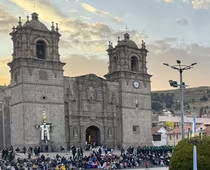
Puno
Puno, Perú: The Underrated Gem of the Andean Altiplano
Location
Puno, Perú

While many travelers flock to Machu Picchu or Cusco when visiting Peru, few venture to Puno, a high-altitude city on the shores of Lake Titicaca. Often overlooked in favor of more famous destinations, Puno offers an authentic, off-the-beaten-path experience filled with cultural richness, breathtaking landscapes, and ancient traditions. If you're seeking a place where Andean heritage thrives, where you can witness unique floating islands, and where the high-altitude air carries whispers of Incan history, then Puno is a destination worth discovering.

© Copyrigh 2026 Laki Maikaʻi. All rights reserved.
A City with a Cultural Soul
Puno (Aymara and Quechua: Punu) is a city in southeastern Peru, located on the shore of Lake Titicaca.
Puno is often referred to as the Folklore Capital of Peru, thanks to its vibrant traditional dances, colorful festivals, and deep-rooted indigenous culture. The Fiesta de la Virgen de la Candelaria, held every February, is one of the most spectacular celebrations in South America, featuring elaborate costumes, lively parades, and a fusion of Catholic and Andean traditions.
Beyond the festivities, the city's streets are lined with charming colonial buildings, lively markets, and cozy cafés where you can sip coca tea to help adjust to the 3,800-meter (12,500-foot) altitude.
How to Get to Puno
🚂 By Train: For a scenic journey, take the Andean Explorer train from Cusco—one of the world’s most beautiful rail rides.
🚌 By Bus: Comfortable long-distance buses like Cruz del Sur and Titicaca Bus run between Cusco, Arequipa, and Puno.
✈️ By Plane: The nearest airport is Juliaca (Inca Manco Cápac International Airport), about an hour from Puno by taxi or shuttle.
💡 Travel Tip: If coming from Lima or even from Cusco, take a few days to acclimate to the altitude before engaging in strenuous activities, and be prepared and pack altitude sickness medicine, don't underestimate the effects of the high altitude.

© Copyrigh 2026 Laki Maikaʻi. All rights reserved.
The Gateway to Lake Titicaca
Lake Titicaca is the highest navigable lake in the world, sitting at an elevation of 3,812 meters (12,507 feet) above sea level. It straddles the border between Peru and Bolivia and is the largest lake in South America by volume. Covering approximately 8,372 square kilometers (3,232 square miles), it is home to over 40 islands, some of which are inhabited by indigenous communities with traditions dating back thousands of years.
Why is Lake Titicaca So Unique?
🌍 1. Extreme Altitude and Stunning Landscape
Lake Titicaca’s location in the Andean Altiplano makes it one of the most breathtaking lakes in the world. The deep blue waters, contrasted against the snow-capped peaks of the surrounding mountains, create a surreal and almost otherworldly setting.
🏛️ 2. Birthplace of the Inca Civilization
According to Incan mythology, Lake Titicaca is the cradle of their civilization. Legends say that Manco Cápac and Mama Ocllo, the first Incas, emerged from the lake, sent by the sun god Inti to establish the Inca Empire in Cusco. The lake remains a sacred place for many Andean people.
🏝️ 3. Floating Islands of Uros – A Human-Made Wonder
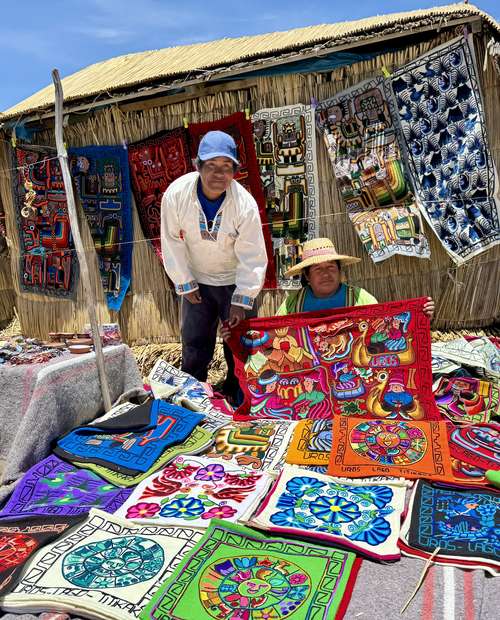
One of the lake’s most fascinating features is the Uros Floating Islands, which are artificial islands made of totora reeds. The indigenous Uros people have lived on these floating islands for centuries, building their homes, boats, and even schools from the reeds that grow in the lake. Visiting these islands offers a rare glimpse into one of the world’s most unique and sustainable ways of life.
🎭 4. A Living Cultural Heritage
Lake Titicaca is home to indigenous groups such as the Quechua, Aymara, and Uros peoples, who still maintain traditional dress, languages, and customs. Many islands, such as Taquile and Amantaní, have preserved centuries-old traditions in weaving, music, and agriculture.
🐠 5. Unique Flora and Fauna
Despite its high altitude, Lake Titicaca is teeming with life. It is home to dozens of endemic species, including the Titicaca water frog, one of the world’s largest aquatic frogs, and the Titicaca grebe, a rare flightless bird. The lake’s totora reeds not only provide habitat for wildlife but are also crucial for the local indigenous communities.
🏛️ 6. Ancient Ruins and Sunken Mysteries
The lake holds many pre-Incan archaeological sites, including the mysterious Sillustani funerary towers near Puno and the submerged ruins of an ancient temple discovered beneath the waters of the lake. Some researchers believe these underwater ruins could be remnants of a lost civilization predating the Incas.
⛵ 7. The Highest Navigable Lake in the World
Due to its vast size and depth (up to 281 meters / 922 feet), Lake Titicaca is officially recognized as the highest navigable lake in the world. It is still an important transportation route, with traditional reed boats as well as modern ferries linking the Peruvian and Bolivian sides.

© Copyrigh 2026 Laki Maikaʻi. All rights reserved.
Where to Stay in Puno
Puno offers a range of accommodations, from budget hostels to comfortable hotels with lake views. Here are some recommended options:
🏨 Luxury:
- GHL Hotel Lago Titicaca – Stunning lakefront property with breathtaking sunrise views, great for relaxation.
🏡 Mid-Range:
- Casa Andina Premium Puno – Cozy, well-designed rooms with a fireplace lounge, ideal for unwinding.
🎒 Budget:
- Suites Antonio's – Great location near the main plaza, friendly service, and affordable prices.
💡 Travel Tip: Puno can get cold at night, so check if your accommodation has heating—not all places do!
Puno’s Culinary Specialties: A Taste of the Altiplano
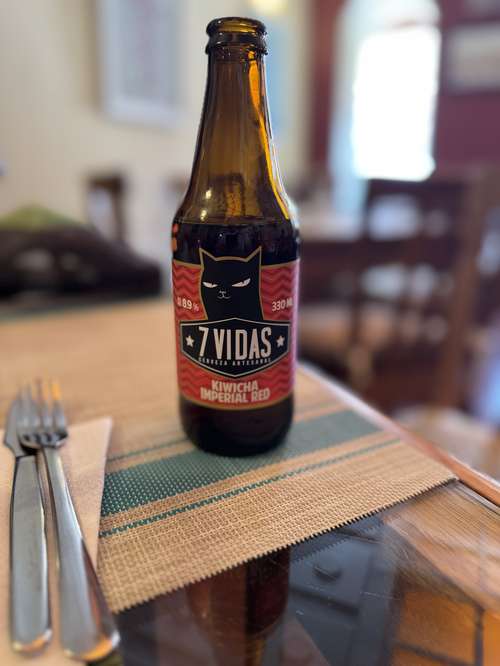
Puno’s cuisine is a delicious blend of Andean flavors, freshwater fish, and hearty grains, all influenced by the extreme altitude and cold climate of the region. Many traditional dishes are designed to provide warmth and energy, using locally grown quinoa, potatoes, corn, and lamb. Here are some of the must-try dishes and drinks when visiting Puno:
🌽 Traditional Dishes
🥣 Chairo Soup – A hearty, warming soup made with lamb, potatoes, chuño (freeze-dried potatoes), carrots, corn, and wheat. It’s perfect for cold evenings and helps with altitude adjustment.
🐟 Trucha Frita (Fried Trout) – Lake Titicaca is famous for its fresh trout, often served grilled or fried with a side of rice, potatoes, and salad. One of the best places to try it is at a floating island restaurant on Lake Titicaca.
🥘 Pesque de Quinua – A creamy quinoa dish cooked with milk and cheese, often served as a side to grilled meats. A delicious and nutritious Andean comfort food.
🥩 Alpaca Steak – Leaner and softer than beef, alpaca meat is a popular protein in the region. It’s usually grilled and served with native potatoes and Andean sauces.
🥔 Papa a la Huancaína – While originally from Huancayo, this dish is popular in Puno. It consists of boiled potatoes smothered in a creamy, spicy cheese sauce, typically served as an appetizer.
🥟 Salteñas – Similar to empanadas, these savory pastries are filled with meat, potatoes, peas, and sometimes a bit of sweetness. They make for a great snack while exploring the city.
🍲 Unique Ingredients from the Altiplano
🫙 Chuño – A traditional freeze-dried potato, which is made by exposing potatoes to the extreme cold of the Andes. It’s used in soups like chairo and other traditional dishes.
🌾 Kañiwa – A lesser-known cousin of quinoa, this high-protein grain is used in soups, porridge, and even desserts.
🐑 Olluquito con Charqui – A dish made with olluco (a type of tuber) and charqui (dried llama or alpaca meat).
🥜 Tunta – Another type of freeze-dried potato, often used in traditional stews.
🍵 Traditional Drinks
🍶 Muña Tea – A herbal tea made from Andean mint, often used as a natural remedy for altitude sickness.
☕ Mate de Coca – A classic coca leaf tea, widely consumed in high-altitude regions to help with digestion and energy.
🍹 Chicha de Jora – A fermented corn drink, traditionally consumed during festivals and celebrations.
🍸 Chilcano de Muña – A regional twist on the classic Chilcano cocktail, made with muña-infused pisco for a refreshing herbal taste.
🍴 Best Places to Try Puno’s Traditional Food
- Mojsa Restaurant – A great spot to try alpaca steak, pesque de quinua, and fresh trout.
- La Table del’ Inca – Serves Andean-inspired gourmet dishes, including quinoa-based specialties.
- Balcones de Puno – Offers a mix of traditional food and folkloric dance performances in the evening.
- Coca Kintu – A cozy café, perfect for muña tea, mate de coca, and local pastries.
- Street Markets – For an authentic experience, visit the local markets where vendors serve chairo soup, salteñas, and fresh chicha de jora.
Final Thoughts
Puno’s cuisine is deeply rooted in Andean traditions, with ingredients that have been used for centuries by the indigenous peoples of the Altiplano. Whether you’re warming up with chairo soup, tasting fresh trout from Lake Titicaca, or sipping on muña tea, you’re in for a delicious and authentic culinary adventure.
Would you like recommendations on specific food markets or local cooking classes? 😊

© Copyrigh 2026 Laki Maikaʻi. All rights reserved.
Why Puno is Worth the Trip
Unlike the more touristy hubs of Peru, Puno remains an authentic and raw travel experience. Its high-altitude setting, indigenous traditions, and breathtaking landscapes make it a must-visit for adventurers seeking something different. Whether you’re exploring ancient ruins, sailing on the world’s highest navigable lake, or dancing in a traditional festival, Puno offers a deep cultural immersion unlike anywhere else in Peru.
So, if you're looking to stray from the typical travel route and experience a side of Peru that few take the time to see, Puno is calling.

© Copyrigh 2026 Laki Maikaʻi. All rights reserved.