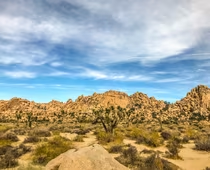
Joshua Tree
There is something stunningly magical about the Joshua Tree National park, and camping there is our absolute favorite family outing…but please don’t tell anyone!
Location
Joshua Tree National Park, California, USA

Our family has now made it a tradition to camp at the Joshua Tree National Park each year during the perseid meteor shower. The altitude of the high desert, the low light pollution, combined with Southern California's dry climate and near invariably clear skies makes it an ideal place to see a myriad of shoting stars!
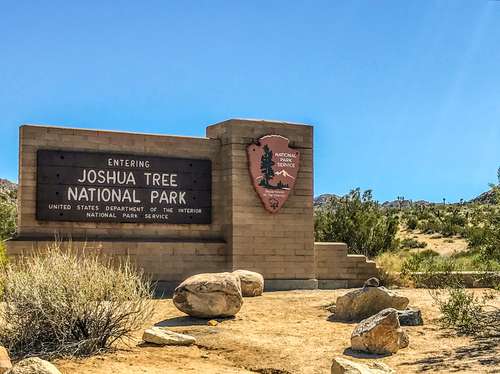
Joshua Tree National Park is vast, with multiple entrances depending on where you’re coming from, making it easy to explore different sections of the park. Our first adventure there was for a rock climbing class, and it was an unforgettable experience. Standing amidst the twisted, spiky silhouettes of the Joshua trees, breathing in the dry, crisp desert air, and gazing across the serene high desert landscape creates a magical atmosphere that feels almost otherworldly.
The park is extremely popular, and visitors should be prepared for crowds, especially near the main attractions. We noticed just how busy it could get when we visited over Thanksgiving weekend with the in-laws. Every parking lot was full, and park rangers were directing traffic, which reminded us that planning ahead is key if you want to avoid peak-time congestion.
For those who love hiking, Joshua Tree offers trails of all lengths and difficulties. From quick, scenic walks to full-day treks, there’s something for everyone. Be mindful that summer days can be brutally hot. The combination of high temperatures and the dry desert climate can quickly lead to heat exhaustion or heatstroke, so always bring plenty of water, wear sun protection, and know your limits.
The park is full of fascinating points of interest. You can explore abandoned gold and silver mines, discover old cars hidden in the desert, or marvel at the numerous unusual rock formations that make the landscape feel like something out of a fantasy novel. At the park entrance, kids are often given a special guide that encourages them to look for the unique plants, shrubs, insects, and animals that call this desert home. It’s a wonderful way for children (and adults!) to realize that Joshua Tree is far from barren; it’s a thriving ecosystem with hidden life at every turn.
Camping in Joshua Tree is an experience in itself. The dry climate, cool nighttime temperatures, and lack of mosquitoes or dangerous predators make it ideal for families with children. Occasionally, you might hear the distant howls of a coyote pack near the campground at night, adding to the wilderness experience without being a true danger. Winter nights can get near freezing, so proper gear is essential, but spring and fall offer the most comfortable conditions for overnight stays. The park’s designated campgrounds are spacious, generally uncrowded, and provide basic bathroom facilities. Campfires are usually permitted, though it’s important to check current advisories and bring your own firewood. One quirk to be aware of: during extended droughts, bees can become desperate for moisture and may be aggressive, so take precautions if camping or hiking during dry spells.
Visiting Joshua Tree is a reminder of the desert’s beauty and resilience. Whether you’re scaling rock formations, wandering quiet trails, or simply gazing at the star-filled night sky around a campfire, the park offers a unique blend of adventure, tranquility, and wonder that stays with you long after you leave.

© Copyrigh 2026 Laki Maikaʻi. All rights reserved.
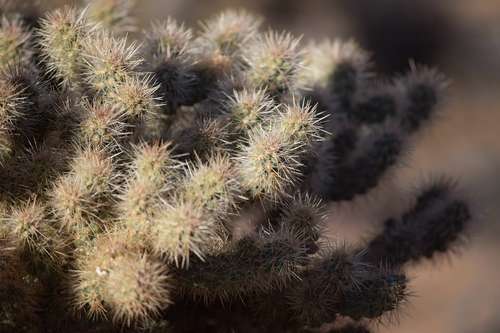
Exploring Joshua Tree National Park: A Family-Friendly Guide
Rock Climbing & First Impressions
Joshua Tree National Park is vast, with multiple entrances depending on where you’re coming from, making it easy to explore different areas. Our first adventure was a rock climbing class, and it was unforgettable. Standing among the spiky silhouettes of Joshua trees, breathing in the crisp desert air, and gazing across the serene high desert creates a magical, almost otherworldly atmosphere.
Crowds & Timing
The park is extremely popular, so planning is key. During Thanksgiving weekend, we visited with the in-laws and found every parking lot full, with park rangers directing traffic. If you want a more peaceful experience, try visiting early in the morning or during off-peak seasons.
Hiking Trails
Joshua Tree offers trails of all lengths and difficulties—from quick, scenic walks to full-day treks. Summer can be dangerously hot, so bring plenty of water, wear sun protection, and know your limits. The desert’s dry climate can lead to heat exhaustion quickly if you’re unprepared.
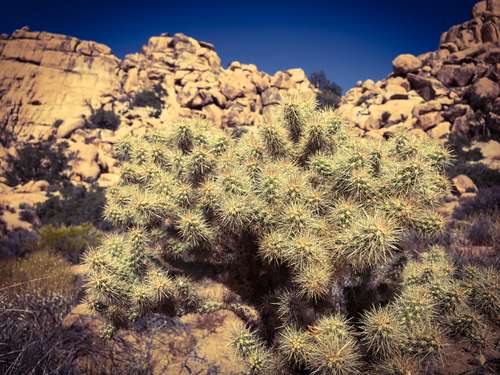
Points of Interest
The park is full of unique attractions:
- Abandoned gold and silver mines
- Old, desert-hidden cars
- Striking rock formations are perfect for photography and exploration
Kids can pick up a special park guide at the entrance that encourages them to search for the desert’s plants, insects, and animals. It’s a great way to teach children (and remind adults) that the desert is full of life.
Camping in Joshua Tree
Camping here is ideal for families. The dry climate, cooler nighttime temperatures, and absence of mosquitoes make overnight stays comfortable. Occasionally, you might hear coyotes howling nearby, which adds to the wilderness experience.
- Best seasons: Spring and fall (comfortable days and nights)
- Winter nights: Can approach freezing—pack warm gear
- Campgrounds: Spacious, usually not crowded, with basic bathroom facilities
- Campfires: Usually allowed, but always check current advisories and bring your own wood
- Watch for: Bees during droughts—they can be aggressive when searching for moisture
Why Joshua Tree Is Special
Whether you’re climbing, hiking, or camping, Joshua Tree leaves a lasting impression. From its magical rock formations to the quiet desert nights under a star-filled sky, the park offers a blend of adventure, tranquility, and discovery that appeals to both adults and children.

© Copyrigh 2026 Laki Maikaʻi. All rights reserved.