Onions

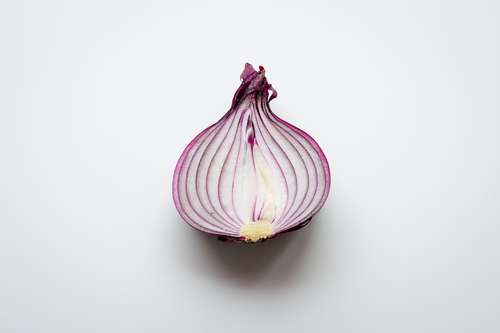
There are several types of onions, each with its distinct flavor profile and culinary uses. There are also various ways to cut them depending on the recipe.
The Versatile Onion: Culinary Marvel and Health Booster
Onions, with their pungent aroma and distinctive taste, are an essential ingredient in kitchens worldwide. Beyond their culinary prowess, onions also offer an array of health benefits. From providing flavor depth to dishes to boosting your well-being, onions are a true culinary marvel. In this article, we will explore the versatile uses of onions in cooking and unravel the numerous health benefits they bring to the table.
Culinary Uses:
Onions are incredibly versatile and can be used in a wide range of culinary creations. Here are some popular uses of onions in the kitchen:
- Flavor Base: Onions serve as a flavorful foundation for countless savory dishes. They are commonly sautéed with other aromatic ingredients, such as garlic, to create a flavorful base for soups, stews, sauces, and stir-fries.
- Raw in Salads: Sliced or diced raw onions add a satisfying crunch and tang to salads, enhancing their overall flavor profile. Red onions are particularly favored for their mild, slightly sweet taste.
- Caramelization: Slowly cooking onions over low heat until golden brown brings out their natural sweetness and imparts a rich, savory flavor. Caramelized onions are perfect for sandwiches, pizzas, and as a topping for meats and vegetables.
- Pickling: Onions can be pickled in vinegar or brine, resulting in a tangy and crisp condiment. Pickled onions add a zesty kick to sandwiches, tacos, and salads.
- Soups and Stocks: Onions are a staple ingredient in soups and stocks, infusing them with a savory depth of flavor. They can be added whole for flavor extraction and removed before serving.
Health Benefits:
In addition to their culinary appeal, onions offer several health benefits backed by scientific research. Here are some notable advantages:
- Antioxidant Power: Onions are rich in antioxidants, such as quercetin, which help neutralize harmful free radicals and protect cells from oxidative damage. Antioxidants have been linked to a reduced risk of chronic diseases, including heart disease and certain cancers.
- Anti-Inflammatory Properties: Onions contain compounds with anti-inflammatory properties that may help reduce inflammation in the body. This can contribute to improved overall health and a lowered risk of chronic conditions.
- Immune-Boosting Effects: Onions are packed with immune-boosting nutrients like vitamin C and selenium. These nutrients support immune function, helping your body ward off infections and illnesses.
- Heart Health: Onions have been associated with heart-protective benefits. They may help lower cholesterol levels, regulate blood pressure, and improve blood vessel function, thereby reducing the risk of heart disease.
- Digestive Aid: Onions are a good source of dietary fiber, which promotes healthy digestion and may alleviate constipation. They also contain prebiotic compounds that nourish beneficial gut bacteria, supporting gut health.
- Cancer-Fighting Potential: Some studies suggest that certain compounds found in onions, such as organosulfur compounds, may have anti-cancer properties. They may help inhibit the growth of cancer cells and reduce the risk of certain cancers, including colorectal and gastric cancers.
Onions are more than just a flavor enhancer; they offer an array of health benefits that make them a valuable addition to your diet. From providing antioxidant support to bolstering heart health and immune function, onions prove to be a health-conscious choice. So, embrace the versatility of onions in your culinary adventures and savor the delicious flavors while reaping the numerous health advantages they bring to the table.
The different types of onions and their uses
There are several types of onions, each with its distinct flavor profile and culinary uses. Here are some popular varieties and their typical applications:
- Yellow Onions: Yellow onions are the most common and versatile type. They have a pungent flavor and a balanced sweetness, making them suitable for both cooked and raw dishes. Yellow onions are commonly used in soups, stews, stir-fries, caramelized onions, and as a base for sauces and gravies.
- Red Onions: Red onions have a mild to moderate flavor with a slightly sweet and crisp taste. They are often enjoyed raw in salads, sandwiches, salsas, and pickles, as they add a pop of color and a mild onion flavor. Red onions are also suitable for grilling, roasting, or using as a garnish.
- White Onions: White onions have a milder flavor compared to yellow onions and a slightly sweet taste. They are popular in Mexican and Latin American cuisines, and commonly used in salsa, guacamole, ceviche, and other raw preparations. White onions are also great for pickling, grilling, or adding to soups and stews.
- Sweet Onions: Sweet onions, such as Vidalia, Walla Walla, and Maui onions, have a high sugar content and a milder flavor. They are prized for their sweet and less pungent taste, making them excellent for eating raw in salads, sandwiches, and relishes. Sweet onions are also suitable for grilling, roasting, and caramelizing.
- Shallots: Shallots have a delicate and subtle flavor with a hint of garlic. They are commonly used in French and Asian cuisines, adding a refined taste to dishes. Shallots are often used in salad dressings, vinaigrettes, sauces, and sautés. They can also be caramelized or used as a flavoring agent in compound butters.
- Scallions/Green Onions: Scallions, also known as green onions, have a mild onion flavor with a hint of freshness. Both the white and green parts are used in various dishes. They are popular in salads, stir-fries, soups, and as a garnish for Asian and Mexican cuisines.
- Leeks: Leeks have a mild and sweet flavor with a slightly earthy undertone. They are commonly used in soups, stews, and sautés, providing a milder onion taste. Leeks can also be grilled, roasted, or used as a flavoring ingredient in stocks and sauces.
Remember that these are general descriptions, and flavors can vary depending on the specific variety and growing conditions. Feel free to experiment with different types of onions to find your favorite flavor combinations for various culinary creations.
Mastering Onion Cutting Techniques: Exploring Different Cuts and Their Culinary Uses
Introduction: Onions are a versatile and essential ingredient in many cuisines around the world. They add depth, flavor, and aroma to a wide range of dishes, from soups and stews to stir-fries and salads. One of the fundamental skills every home cook should possess is the ability to cut onions efficiently and effectively. In this article, we will explore various onion-cutting techniques and discuss their specific culinary applications, empowering you to elevate your cooking game to new heights.
- Dicing: Dicing onions involves cutting them into small, uniform cubes. This cut is widely used in recipes where you want the onions to blend in and provide even distribution of flavor. Diced onions work wonderfully in soups, stews, sauces, and sautés, as they soften and release their flavors while cooking. To dice an onion, start by halving it, then make horizontal and vertical cuts, keeping the pieces relatively small and consistent.
- Slicing: Sliced onions are a versatile option that can be used in various ways, depending on the desired thickness. Thinly sliced onions are perfect for caramelizing, as they break down and turn sweet during cooking. They are great for adding a rich, savory depth to dishes like French onion soup or topping burgers and sandwiches. On the other hand, thicker slices are commonly used in stir-fries, fajitas, and grilled dishes, where they retain some texture and provide a burst of flavor.
- Chopping: Chopped onions are larger than diced onions, providing more texture and visual presence in a dish. This cut is often employed in recipes where you want the onions to stand out and provide a robust flavor. Chopped onions work well in salsas, relishes, meatloaf, and certain salads. To chop an onion, make vertical cuts from root to tip, followed by horizontal cuts. The result is irregular-shaped pieces that add a rustic charm to your culinary creations.
- Minced: Minced onions are finely chopped into tiny pieces. This cut is ideal when you want the onion flavor to disperse evenly and blend seamlessly into a dish. Minced onions are commonly used in dressings, marinades, sauces, and dips, where their small size ensures a harmonious distribution of flavor. To mince an onion, start by finely chopping it, then use a rocking motion with your knife to achieve the desired texture.
- Rings or Half-Moons: Onions can also be cut into rings or half-moon shapes, which add visual appeal and distinct texture to a dish. Onion rings are a popular choice for deep frying or adding as a topping to burgers and salads. Half-moons are commonly used in sautés, fajitas, and roasted vegetable medleys. To achieve onion rings or half-moons, slice the onion horizontally across the grain into uniform pieces of the desired thickness.
Mastering the art of cutting onions opens up a world of culinary possibilities. Whether you're dicing, slicing, chopping, mincing, or creating rings and half-moons, each cutting technique brings a unique texture, flavor, and visual element to your dishes. Understanding the different ways to cut onions allows you to tailor their use to specific recipes, ensuring that the onion's distinctive taste and aroma enhance your culinary creations. So grab a sharp knife, choose the cutting technique that suits your needs, and embark on a flavorful journey through the world of onions.